
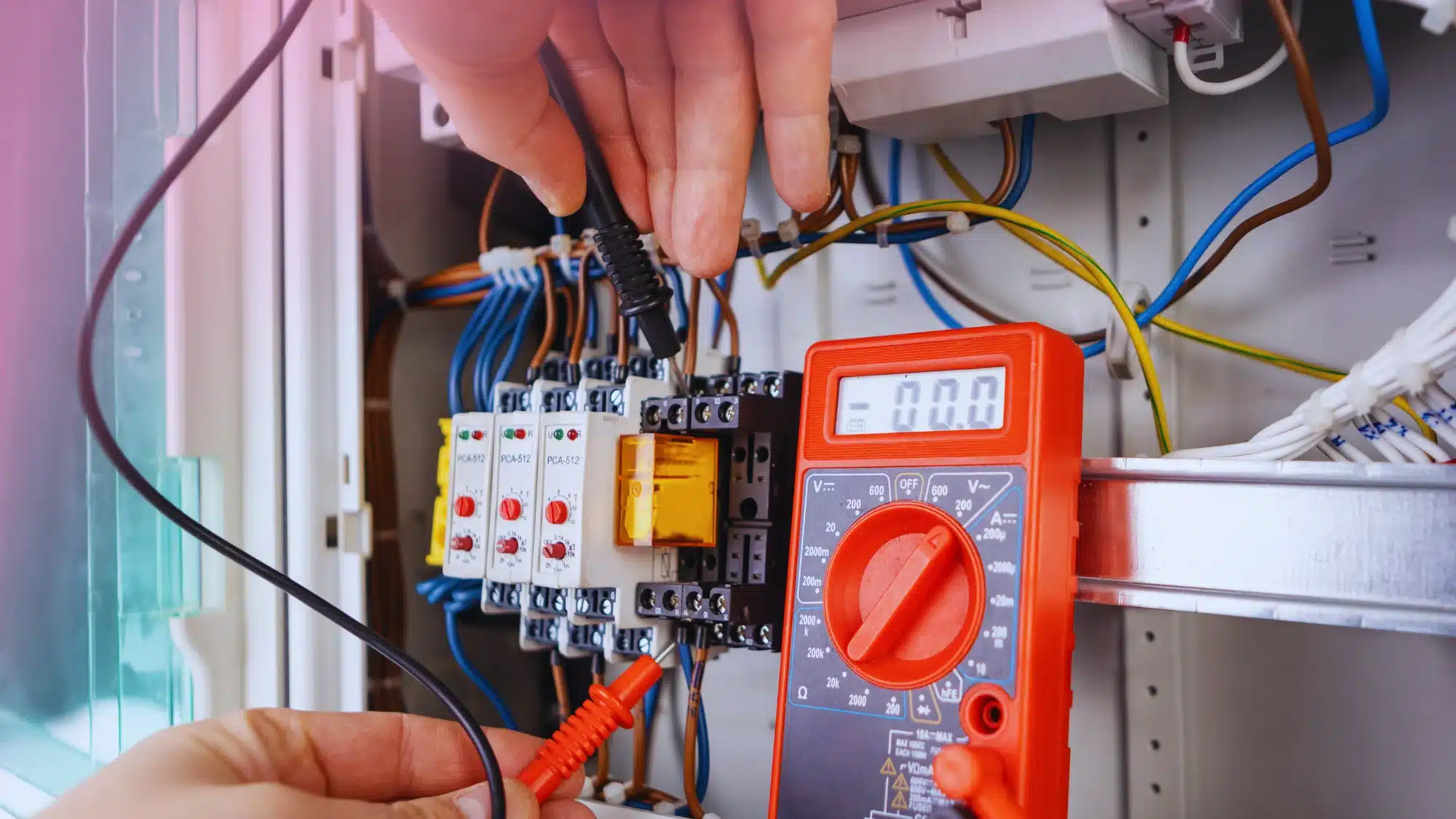
As the year draws to a close, it’s the perfect time for homeowners to conduct a thorough electrical inspection to ensure safety, efficiency, and peace of mind. Whether you’re preparing for winter or planning home improvements, following a comprehensive checklist can help you spot issues early and avoid costly repairs. If you need professional help, searching for a “residential electrical contractor near me” ensures your home’s electrical system is in expert hands.
Why Year-End Electrical Inspections Matter
Regular inspections help identify worn components, outdated wiring, and hidden hazards before they become serious problems. This proactive approach protects your family, prevents electrical fires, and keeps your system compliant with local codes.
Essential Year-End Electrical Inspection Checklist
1. Main Electrical Panel
- Check for clear labeling and ensure the panel is easily accessible.
- Inspect for rust, heat marks, or damage on the panel and breakers.
- Test circuit breakers to confirm they trip properly and aren’t overloaded.
- Verify grounding and bonding are intact for safety.
- Look for added equipment like surge protectors or sub-panels and ensure they’re installed correctly.
2. Circuit Breakers and Fuses
- Ensure breakers/fuses are the correct size for their circuits.
- Look for signs of overheating or corrosion on breakers and connections.
- Check for double-tapped breakers (multiple wires under one screw), which can be a fire hazard.
3. Outlets and Switches
- Test all outlets for proper function and grounding, especially in older homes.
- Check for cracked faceplates, loose outlets, or signs of overheating.
- Test GFCI outlets in kitchens, bathrooms, garages, and outdoor areas using the “test” and “reset” buttons.
- Test switches for smooth operation and listen for unusual sounds or sparking.
4. Wiring and Connections
- Inspect visible wiring for fraying, exposed conductors, or damaged insulation.
- Check junction boxes to ensure they are covered and accessible.
- Look for outdated wiring (such as knob-and-tube or aluminum wiring) that may need replacement.
5. Safety Devices
- Test smoke and carbon monoxide detectors for proper operation and replace batteries if needed.
- Check expiration dates on all detectors.
- Verify surge protectors are installed and functioning.
6. Lighting Fixtures and Ceiling Fans
- Check all fixtures for secure installation and proper bulb wattage.
- Inspect for exposed wiring or loose connections.
- Test ceiling fans for wobbling or unusual noises.
7. Electrical Appliances
- Inspect wiring and plugs for major appliances.
- Ensure appliances are on dedicated circuits if required.
- Check for signs of wear or overheating at connections.
8. Outdoor and Garage Areas
- Test outdoor outlets and lighting for GFCI protection and weatherproof covers.
- Inspect extension cords for damage and avoid permanent use.
Preparing for a Professional Inspection
- Clear the area around your main panel and electrical equipment.
- List any recent electrical changes or issues (like flickering lights).
- Gather previous inspection reports if available.
- Make attics and basements accessible for a thorough review.
If you discover any issues or feel unsure about your findings, contact a “residential electrical contractor near me” for a professional assessment. B. Jags Electric is always ready to help you keep your home safe and up to code.
Stay safe and proactive—schedule your year-end electrical inspection today.