
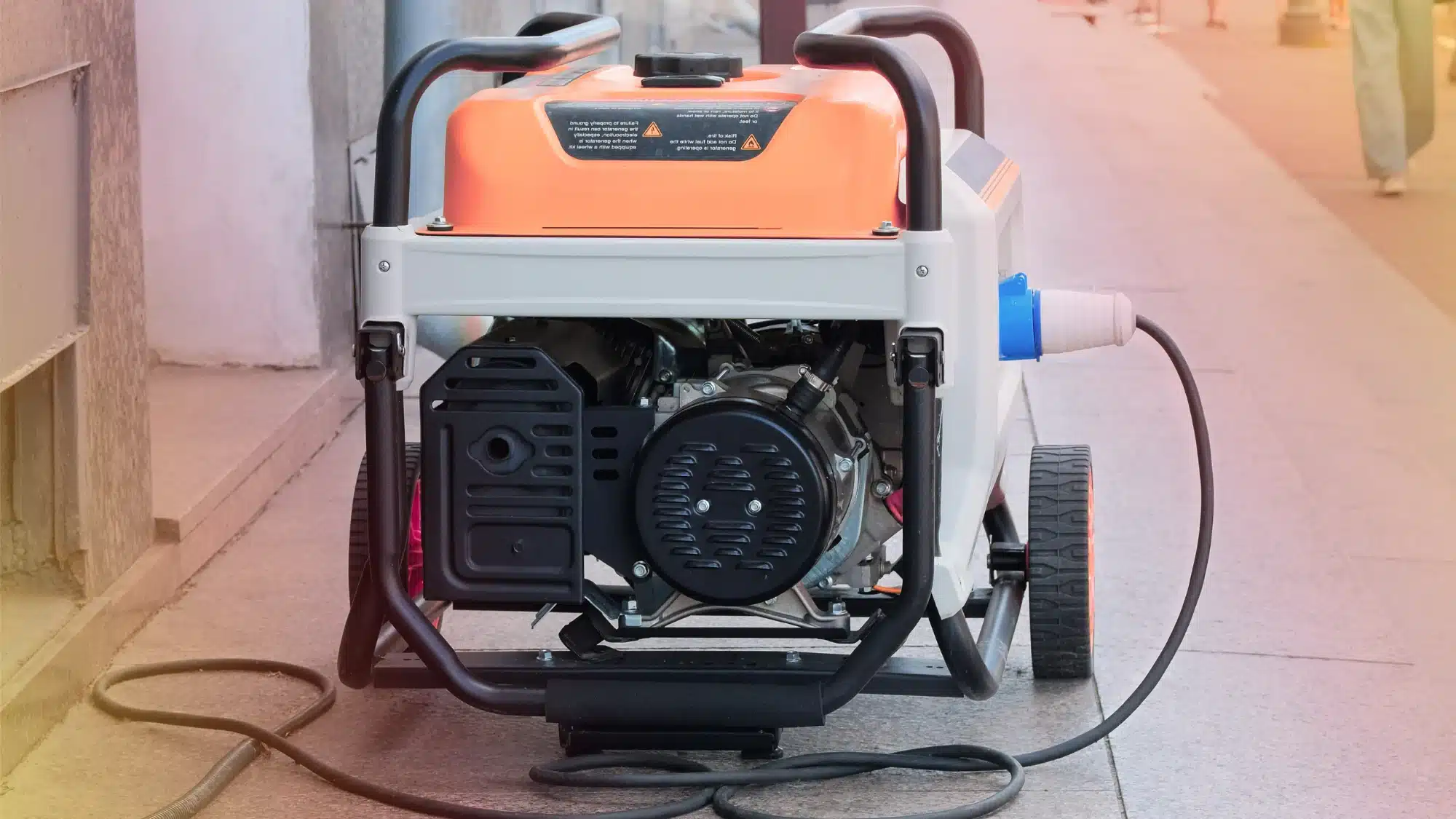
As winter approaches, ensuring your generator is ready for harsh weather is crucial for uninterrupted backup power. Whether you rely on a whole-home standby unit or recently searched for “portable generator installation near me,” proper winter maintenance protects your investment and keeps your home or business safe during storms.
Why Winter Generator Maintenance Matters
Cold temperatures, ice, and snow can strain generators, increasing the risk of failure just when you need power most. Proactive maintenance reduces breakdowns, extends equipment life, and ensures your generator starts reliably during outages.
Essential Winter Generator Maintenance Checklist
1. Inspect for Visible Damage and Corrosion
- Check the casing and fuel system for cracks, leaks, or rust. Winter moisture accelerates corrosion, which can weaken components and cause malfunctions.
- Tighten loose bolts and wiring to prevent electrical failures.
- Clear debris and ensure proper ventilation around the generator for safe operation.
2. Change Oil and Replace Filters
- Change the oil after every 50-100 hours of use, or at least once before winter.
- Use winter-grade oil (such as SAE 30 or synthetic 5W-30) to ensure smooth engine operation in freezing temperatures.
- Replace oil and air filters to prevent dirt and debris from damaging the engine.
3. Test the Battery and Electrical System
- Check battery age and charge—replace batteries older than three years to avoid cold-weather failures.
- Clean battery terminals to remove corrosion and ensure a strong electrical connection.
- Test the starter and alternator for reliable cold-weather performance.
4. Inspect Fuel System and Use Stabilizer
- Check for fuel leaks and ensure the tank is full to minimize condensation.
- Add fuel stabilizer to prevent fuel degradation, especially for portable generators that may sit unused for weeks.
- Drain old fuel if the generator has been idle for extended periods.
5. Lubricate Moving Parts
- Lubricate door hinges, rubbers, and moving components to prevent freezing and wear.
- Repair canopy or enclosure damage to stop corrosion from spreading.
6. Run a Test Cycle
- Start the generator and let it run under load for 20–30 minutes monthly. This keeps internal parts lubricated and identifies issues before an emergency.
- Listen for unusual noises and monitor for warning lights or error codes.
7. Inspect Transfer Switch and Safety Devices
- Test the transfer switch to ensure seamless power transition during an outage.
- Check earth leakage relays and insulation resistance for electrical safety.
8. Schedule Professional Maintenance
- Arrange a professional inspection before winter storms hit, especially if you’re unsure about any maintenance steps or if you’ve recently completed a “portable generator installation near me”.
Additional Tips for Portable Generator Owners
- Store your portable generator in a dry, accessible location—never operate it indoors or in enclosed spaces.
- Keep extra oil, filters, and fuel on hand for extended outages.
- Review the manufacturer’s manual for model-specific winterization tips.
Don’t wait until the next storm hits. Regular winter maintenance ensures your generator—whether newly installed or a trusted standby—will deliver reliable backup power when you need it most. For expert service or if you’re searching for “portable generator installation near me,” contact B. Jags Electric today.